From E-Commerce to Manufacturing: Who Is Leasing Warehouses in 2026?
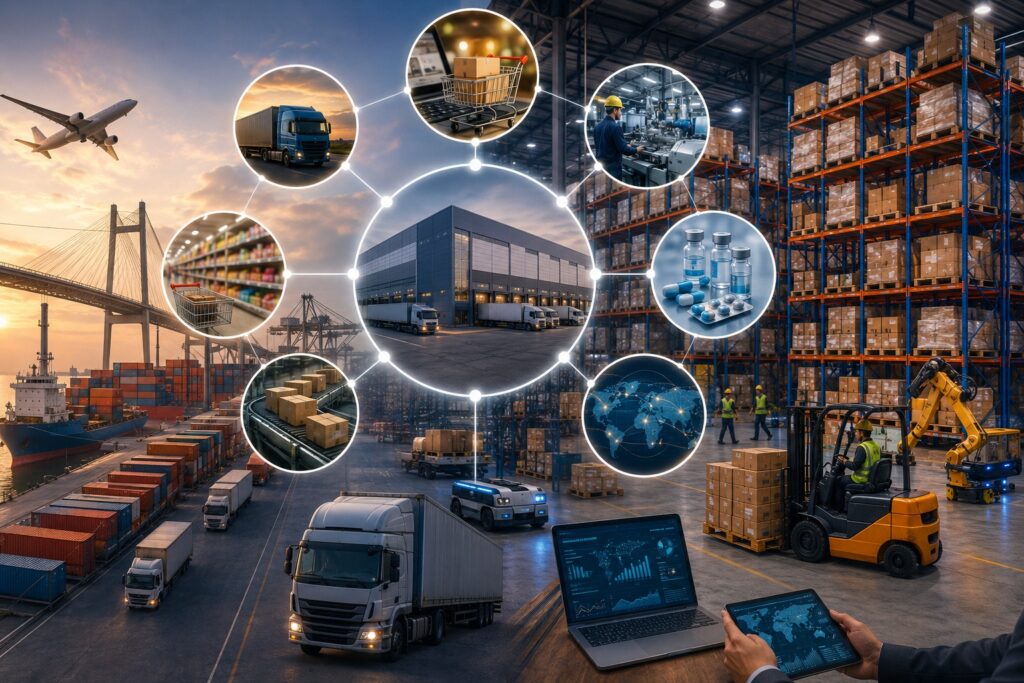
mirania From E-Commerce to Manufacturing: Who Is Leasing Warehouses in 2026? Warehousing in India is changing fast in growing logistics hubs like Kolkata. This change is driven by growth. Warehousing used to be seen as a necessary support function. Now it is a driver of growth for companies in every industry. Companies are relying on warehousing to boost their businesses. The growth of warehousing in India is a shift. Logistics centres like Kolkata are leading this change. Warehousing is no longer about storing goods. It is now a part of a company’s strategy. Companies are using warehousing to stay. The importance of warehousing in India cannot be overstated. It is driving growth across industries. Warehousing is a part of the logistics puzzle. Kolkata and other logistics centres are at the forefront. The future of warehousing, in India looks bright. Between 2025 and mid-2026, the warehousing world has changed in more meaningful ways than just the numbers on lease contracts; it’s about deeper. While the numbers might suggest a slowdown for now the real situation on the ground is much bigger. It’s not about how fast things are moving but, about how demand is changing. Demands quality, purpose and even its structure are shifting. The real question now is not if people want things, it’s how we can meet their needs. So who is really driving this increase in demand. What do they want? A Market That Appears Slower, But Is Structurally Stronger Kolkata’s warehousing market slowed down in 2025. There were leases that year. In fact leasing activity dropped by thirty percent compared to the previous year. Kolkatas warehousing scene was not as busy. However, this should not be viewed solely as slowdown. This dip wasn’t due to people losing interest, it was mostly due to supply side issues: Limited availability of Grade A warehouse space. People are increasingly leaning towards modern infrastructure; it’s one of the clearest signs that there’s still strong underlying demand, in fact, is that rental prices remained steady — even as the number of new leases fell. That’s a pretty good sign in real estate that things are holding up. Demand still outstripping supply in the most important areas. And in layman’s terms, companies aren’t pulling back, they’re pushing forward. They’re just getting pickier these days. Understanding the Demand Mix: Who Is Leasing Warehouses? The people who store things in warehouses in 2026 are a mixed group. They all have needs and they work on different schedules and sizes. When you put them all together, they create a big need for warehouse space. The warehouse system is made up of different parts and each part has its own way of doing things but they all work together to make the warehouse system strong. The warehouse system in 2026 is, like a team and each team member is important they all need warehouses to store their things and that is why the warehouse ecosystem is so important. Demand Distribution (2025–Mid 2026) 3PL Logistics: 30–35%. E-commerce: 20–25%. Manufacturing: 15–20%. Retail & FMCG: 10–15%. Pharma & Healthcare: 8–10. Others: 5–7%. It is easy to see that logistics is playing a role in the demand for warehouses. E-commerce and manufacturing are also driving this demand. They are growing very fast. This change shows that warehouses are not just used by an industries anymore. Now logistics and the way businesses work together are what drive the need for warehouses. The demand, for warehouses is no longer limited to types of businesses it is driven by the logistics ecosystem and the way companies work together. 3PL Logistics: The Backbone of Modern Warehousing Demand Third-party logistics (3PL) firms have become the predominant users of warehouse space, and this trend is not merely temporary. As companies increasingly adopt asset-light strategies, outsourcing logistics functions has proven to be both a cost-effective and strategically flexible choice. Reasons for the Rapid Increase in 3PL Demand: Businesses favor flexibility over ownership. Using a warehouse that serves clients helps to make the cost of storing each item lower. These days it is very important to be able to get things done quickly. Nowadays companies want to expand into cities like Tier 2 and Tier 3 markets. The way companies get things from one place to another is getting really complicated. Third party logistics providers are doing a lot more than renting out space in warehouses. Third party logistics providers are actually creating systems that help manage the flow of goods which’s a big job, for third party logistics providers. Their buildings are usually bigger designed with thought and set up to work well with many users. This makes them good tenants that will be around, for a time, which is necessary for the market to keep growing and for third party logistics providers to be successful. E-Commerce: From Aggressive Expansion to Strategic Consolidation E-commerce is still a reason why warehouses are in high demand.. Over time the approach, to e-commerce has really changed and become more developed. Previously the focus was on speed of scale and leasing large amounts of space in multiple locations. By 2026 this approach is much more sophisticated. The Shift in E-Commerce Warehousing: We should focus on centres where we store things instead of keeping them in many different places. It is very important to make the last part of the delivery process work well. We need to use machines and smart solutions to manage our warehouses. More people want special facilities now. There are a lot of leasing activities happening in and around Kolkata. People are buying big warehouses. This shows that Eastern India is a great place for logistics and we want to stay there for a long time. E-commerce is not just getting bigger anymore. Now it is, about making things work better. Manufacturing: The Resurgence That Is Redefining Demand In 2026 we will see a change. Manufacturing will become very important again for people who need warehouses. This is not happening by chance. It is because the economy is