What Does Luxury Really Mean in Kolkata Right Now?
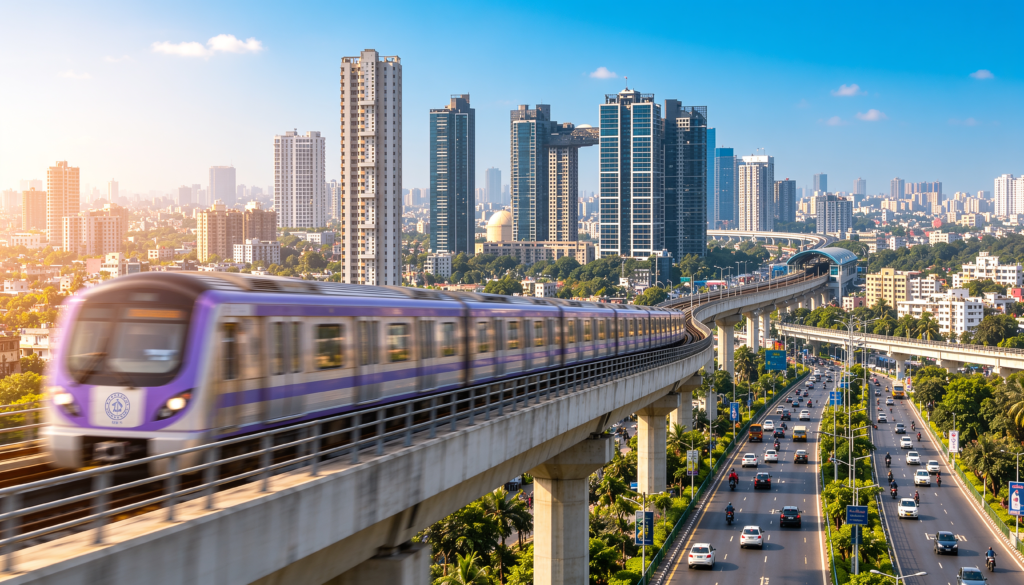
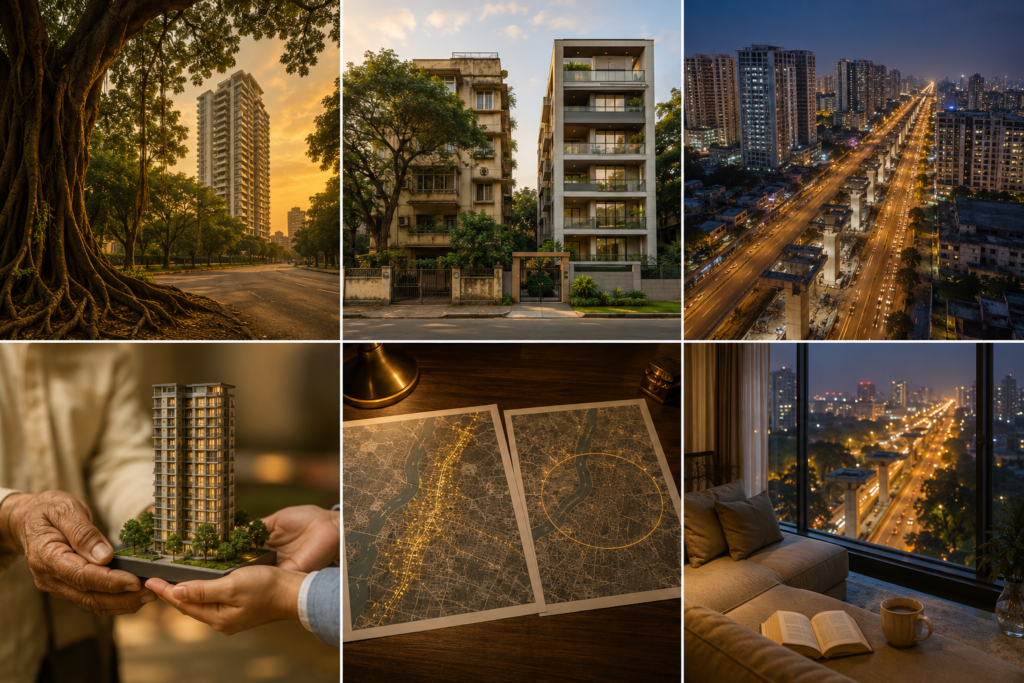
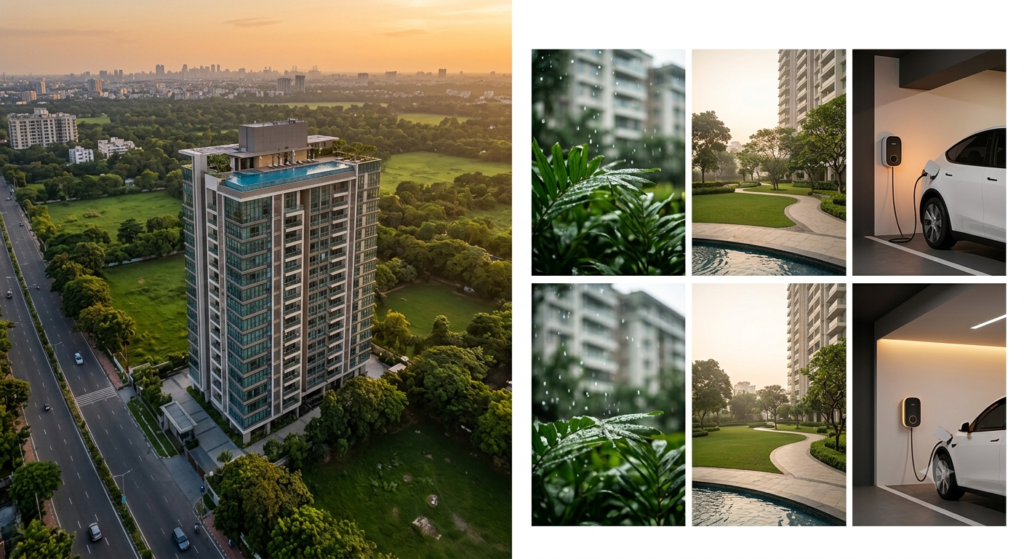
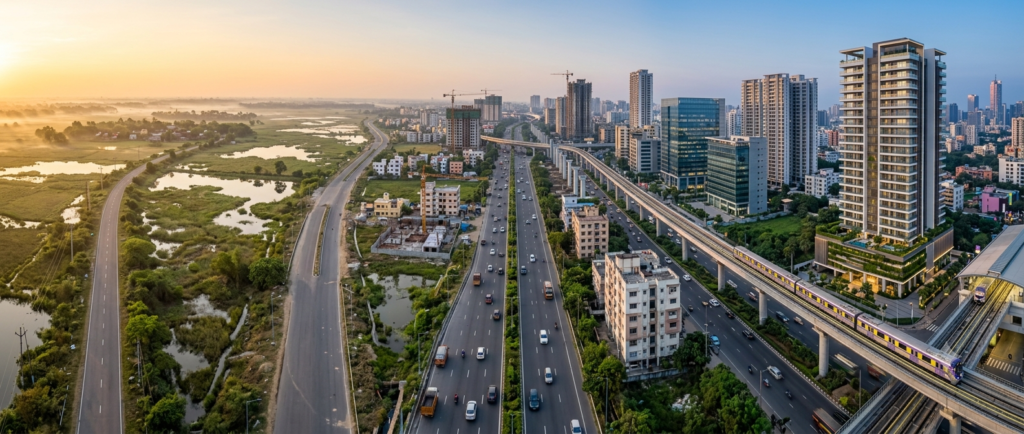
mirania What Does Luxury Really Mean in Kolkata Right Now? There was a time when a “luxury home” in Kolkata simply meant more — a bigger drawing room, one extra bedroom, marble instead of tile, an address people recognised. That checklist is quietly falling out of fashion. Ask a serious buyer in 2026 what they are really looking for and you will get a very different question: Does this home make my life better? Not bigger. Better. The premium buyer of today wants a home that is private but not isolated, well-connected but not noisy, tech-enabled but not impersonal and indulgent without making everyday life harder to manage. This shift is most evident along the EM Bypass and the pocket of neighbourhoods around it — Mukundapur, Santoshpur, Ruby. Hospitals, offices, schools, malls and an expanding metro network are all converging here, slowly stitching these separate areas into one connected residential zone. And in the middle of that transformation sits a project like Mirania Evara, which is trying to answer exactly this new definition of what luxury living should look like. Less “More.” More “Better.” Ask any developer today and they’ll tell you: a luxury home has to earn its keep. Wellness isn’t a bonus feature anymore — it’s expected. Technology isn’t a gimmick anymore — it’s infrastructure. Privacy has quietly turned into the new status symbol. Sustainability is now tied directly to resale value and running costs. And amenities are judged less by how long the list is and more by how many of them people actually use. The numbers support that. In JLL’s Q2 2026 residential report, Kolkata’s capital values grew at an annualised rate of 13.1%, led by the South and East submarkets. The report specifically flags EM Bypass as one of the areas where prices are rising as demand for well-built residential projects pushes prices up. Put simply: Kolkata’s high-end housing story is moving away from “I own an expensive flat” and towards “I own a better way of living.” Four Neighbourhoods, One Growing Corridor EM Bypass, Mukundapur, Santoshpur and Ruby each bring their own flavour to the table — but stitched together, they form a genuinely strong residential belt where connectivity meets neighbourhood character. Area What It’s Known For Who Tends to Choose It EM Bypass Big arterial roads, hospitals, retail, easy reach to major job hubs Working professionals, established families, upgraders Mukundapur Expanding residential base near hospitals, schools and the wider Bypass belt Young families and long-horizon investors Santoshpur A calmer, more old-South-Kolkata feel Families wanting familiarity and community Ruby A healthcare and business hotspot with strong day-to-day connectivity Doctors, business owners, senior professionals What makes this belt work is the balance it strikes. You’re near the city’s hospitals and commercial hubs, and yet pockets within these neighbourhoods still manage to feel like a genuine retreat from the noise. Prices are different, of course. The values vary a lot even in Santoshpur or on EM Bypass depending on the age, build quality, exact location and specifications of the project. That’s precisely why more buyers today are looking at individual developments rather than relying on a general “this area is expensive” average. In the luxury segment, that distinction really counts. The address gets you to look. The build quality decides whether you stay. So What Does a 2026 Luxury Buyer Actually Want? Wellness Built Into the Home, Not Bolted On A gym in the basement used to be enough. It isn’t anymore. Buyers now want spaces that support both body and mind — yoga corners, meditation decks, landscaped walking paths, quiet pockets away from the main hustle of the building. The underlying idea is simple: people don’t just want a place to crash after work. They want their home actively contributing to how they feel day to day. Which is why sunlight, airflow, greenery and thoughtfully designed open areas are starting to matter as much as the marble on the floor. Smart Tech That Actually Simplifies Life The “smart home” has stopped being a nice-to-have — it’s becoming the baseline. Controlled entry systems, strong security, digital facility management, EV charging points — these are now standard asks from premium buyers. And the next wave of homes is expected to go further, weaving tech into daily routines: managing your building remotely, tightening security, cutting energy waste. But here’s the real test of good tech in a home: it’s not about how many features are crammed in. It’s about whether those features actually make life simpler, safer and more convenient. Privacy Is the New Flex For today’s high-end buyer, exclusivity isn’t about extravagance anymore. It’s often just about having fewer people around. Low-density buildings, well-thought-out common areas, clean separation between public and private zones, wide-open views — all of this adds up to something genuinely rare in a busy city: personal space. This resonates especially with established families and senior professionals who already have access to everything the city offers, but increasingly crave quiet and discretion. Luxury, in this telling, gets quieter — not louder. Sustainability Has Become a Financial Argument, Not Just a Moral One Going green used to be a values statement. Now it’s a spreadsheet line item. Energy-efficient systems, solar panels, rainwater harvesting, better glazing, smarter building design — all of these translate directly into lower running costs over the years. For someone signing off on a multi-crore purchase, that’s not a small detail. A sustainable home isn’t just a lifestyle choice anymore. It’s a smarter long-term asset. Amenities Have to Prove Their Worth The old-style luxury clubhouse is being reimagined. Rather than a long checklist of amenities nobody uses, buyers want spaces they’ll genuinely step into — a proper co-working lounge, a relaxed social hangout, a wellness zone, a kids’ play area, landscaped gardens, maybe a rooftop that actually feels like an escape. The question buyers are asking has changed too. It’s no longer “How many amenities does this project have?” It’s “How many of these will I actually end up using?” Where