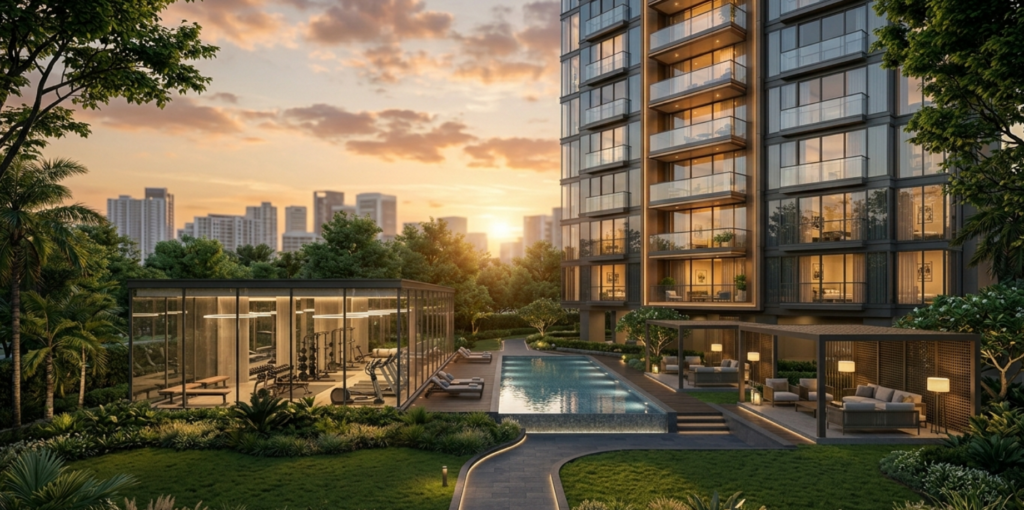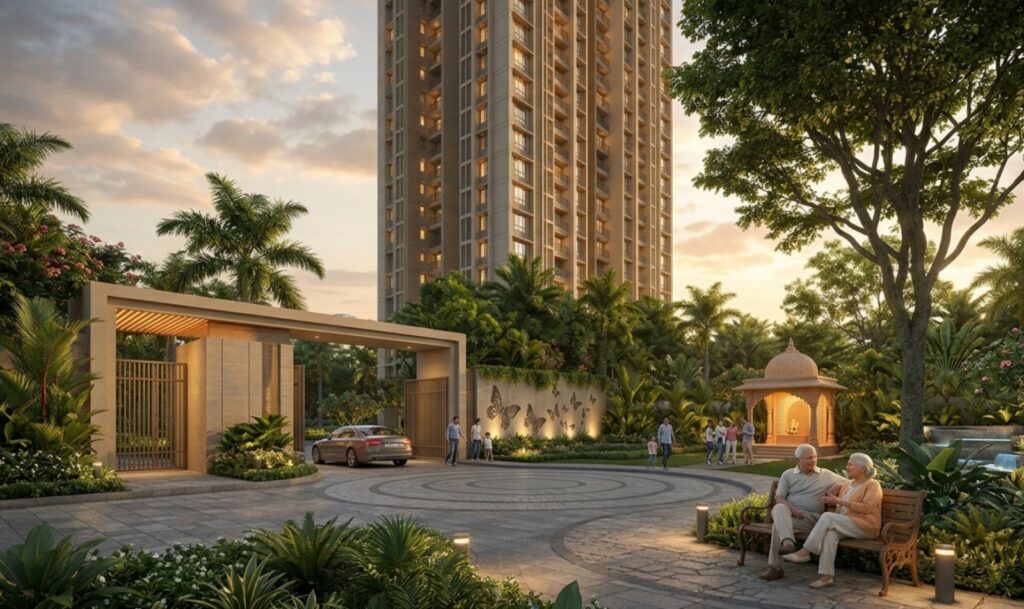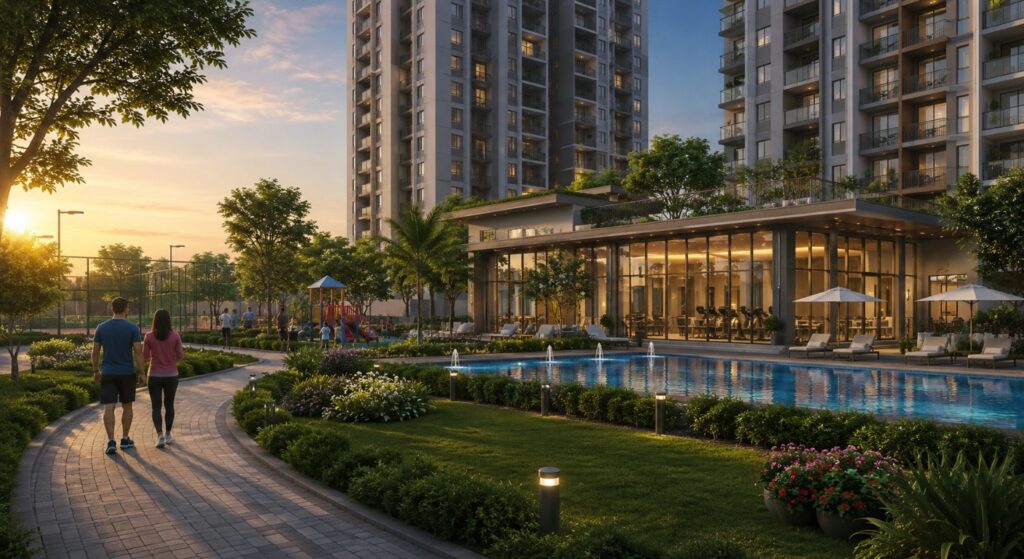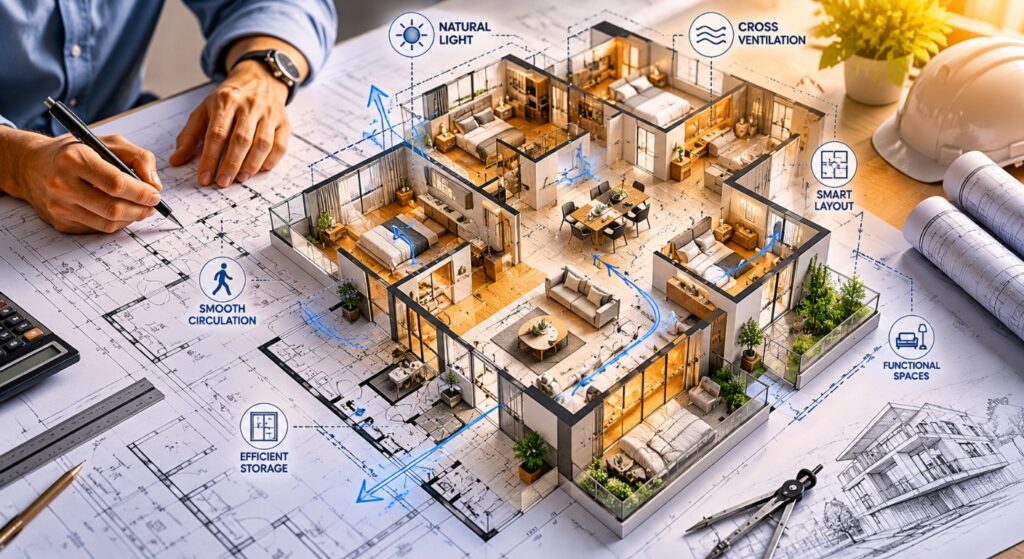
New Town vs South Kolkata vs EM Bypass: Where Should You Invest in 2026?
mirania Live Closer, Live Better: How Mirania Realty Enhances Work-Life Balance Kolkata’s real estate market is shifting. One corridor is pulling ahead — and the numbers make it hard to argue otherwise. Ask ten Kolkata homebuyers where to invest in 2026, and you will get ten different opinions — each defended with the quiet conviction only a Bengali can muster about their preferred neighbourhood. South Kolkata loyalists will invoke legacy and address. New Town evangelists will talk tech parks and future potential. But there is a third conversation happening, steadily and with growing urgency, along the EM Bypass — and it is starting to drown the other two out. This is not a blog that pretends all three corridors are equal. They are not. For a specific kind of buyer — someone who wants metro connectivity, lifestyle infrastructure, long-term appreciation, and a project that delivers on its promises — the EM Bypass in 2026 is simply the most complete answer Kolkata has to offer. Here is why, laid out honestly. The Three Corridors: A Quick Reality Check Before making the case for the Bypass, it is worth understanding what each corridor is actually offering right now — not in brochures, but on the ground. Parameters New Town / Rajarhat & South Kolkata EM Bypass Character Planned, IT-driven, developing & Heritage, established, legacy Connected, modern, metro-backed Avg. Price (₹/sq ft) ₹5,500–₹18,000+ (Varies from ₹5,500 in New Town to ₹18,000+ in South Kolkata) ₹6,500–₹15,500 Metro Access Orange Line (partial, developing) & Green & Purple Lines Purple Line (fully operational) Rental Yield 2.5–4.5% (2.5–3.5% in South Kolkata, 3–4.5% in New Town) 3.5–5% Capital Appreciation (5–10 Years) High but distant (New Town) & Stable, slow (South Kolkata) High and near-term The table tells part of the story. The rest is in the details. New Town: The Long Game That Requires Real Patience New Town is a good place to shop. But maybe not the best, for 2026. The new township being built around Rajarhat and Sector V has some things going for it: lots of IT jobs, wide roads, plenty of trees and a proper layout. This is something that South Kolkatas narrow streets don’t have. The Orange Metro Line will connect New Town to the rest of the city eventually. The word to notice there is eventually. Today, New Town still has a liveability gap that matters. Walking to essentials is not always possible. Public transport outside the metro corridor remains inconsistent. The social infrastructure — schools, hospitals, neighbourhood markets with character — is present but thin in comparison to more mature addresses. For an investor with a 10-year horizon and a specific bet on Kolkata’s IT sector, New Town makes sense. For a family buying a home they want to live in from the day of possession, the calculus is harder. New Town is a forward-looking market. Which means, by definition, you are buying what it will become — not what it is. South Kolkata: Exceptional Address, Exceptional Price Tag There is nothing wrong with South Kolkata. That is almost the problem. Ballygunge, Lake Gardens, Tollygunge, Dhakuria — these are proven, desirable, deeply liveable neighbourhoods that have accumulated value over decades. Metro connectivity via the Green and Purple Lines has addressed the one historical criticism. Schools, hospitals, restaurants, and the irreplaceable texture of an established Kolkata neighbourhood — all present. But getting in today means paying for all of that certainty upfront, often at ₹10,000 to ₹18,000 per square foot for anything genuinely well-appointed. In those brackets, a 3 BHK can easily cross ₹3–4 crore before you have added parking, floor rise, or extras. And at those prices, capital appreciation — while steady — is unlikely to be dramatic. You are not catching a wave; you are boarding a ship that has mostly sailed. For buyers with deep pockets and a preference for legacy addresses, South Kolkata remains excellent. For everyone else, it is increasingly a market to admire from the outside. EM Bypass: Why 2026 Is the Right Time, Not a Moment Too Late Here is what has changed along the EM Bypass — and why it matters more than most buyers realise. The Metro Has Redrawn the Map The Purple Metro Line, now fully operational through the Bypass corridor, has done something infrastructure rarely manages to do quietly: it has compressed distance. Localities like Barakhola, Panchasayar, Chak Garia, and Narendrapur — which once required navigating Kolkata’s traffic-heavy roads — are now legitimately metro-connected addresses. What used to be a 45-minute drive to Park Street can now be a clean, predictable metro commute. Transit-oriented real estate is not a theory in 2026 — it is documented history across every major Indian metro. Properties within a 500-metre to 1-kilometre radius of metro stations have consistently outperformed their corridors. Kolkata is now living that story, and the Bypass is at the centre of it. What You Actually Get for Your Money This is where the Bypass corridor makes its most compelling argument. At ₹8,500 to ₹15,500 per square foot — depending on the project and specifications — buyers are accessing lifestyle infrastructure that, five years ago, existed only in South Kolkata’s most premium launches. We are talking about projects that deliver: Triple-height sky balconies that change the experience of apartment living Rooftop amenities — infinity pools, stargazing decks, multipurpose courts — that used to be the preserve of ₹5 crore+ properties EV charging per apartment (not shared, not on-request — per unit) Podium-level wellness — dedicated gym floors, steam and sauna, banquet halls, co-working spaces Smart security — video door phones, CCTV across the development Green credentials — rainwater harvesting, sewage treatment, 50% open space The lifestyle gap between the Bypass and South Kolkata’s ultra-premium segment has narrowed dramatically. The price gap has not closed nearly as much. That delta is where genuine value lives. Supply Is Genuinely Constrained Unlike New Town — which still has large land banks and future supply that will continuously compete with existing inventory