Sustainable Homes in Kolkata: Smart Homebuyer’s Guide 2026
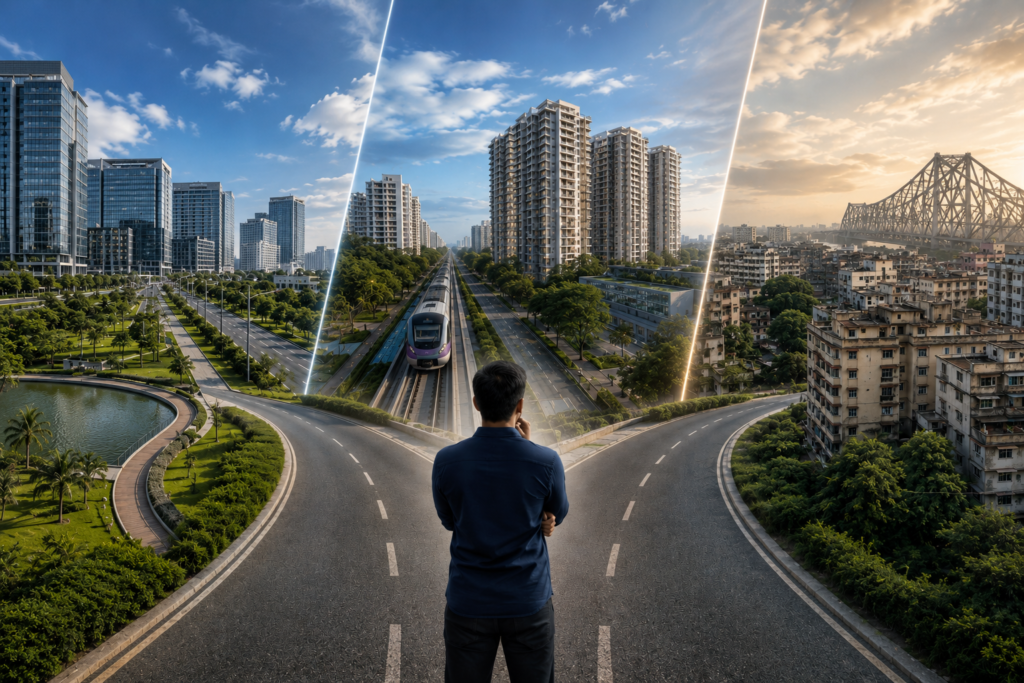
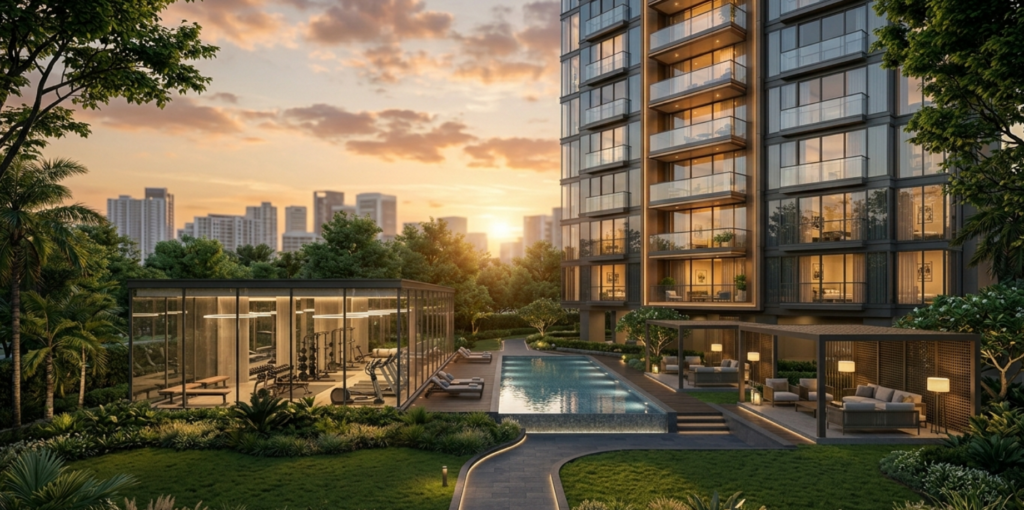
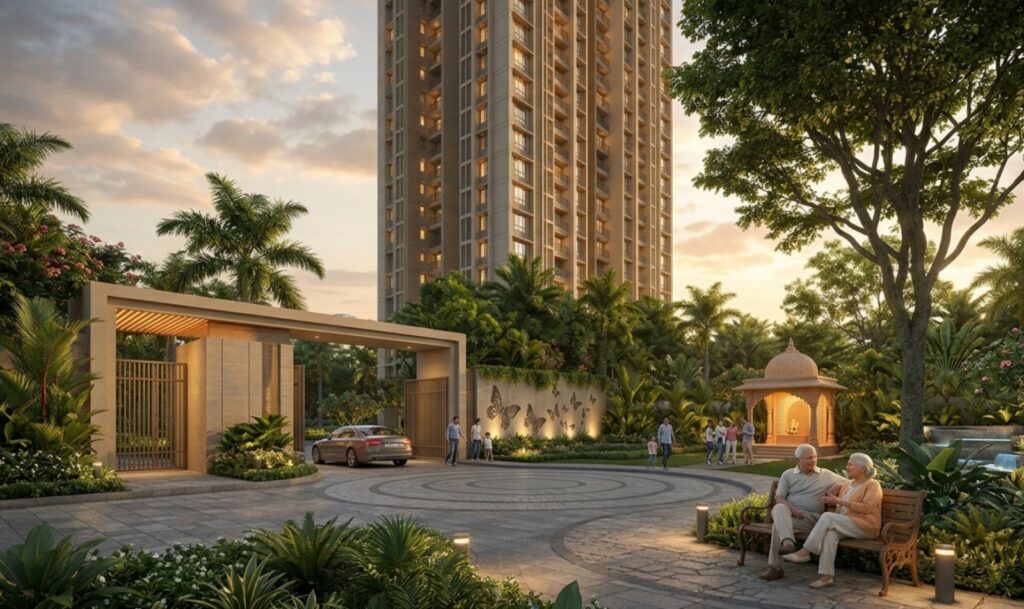
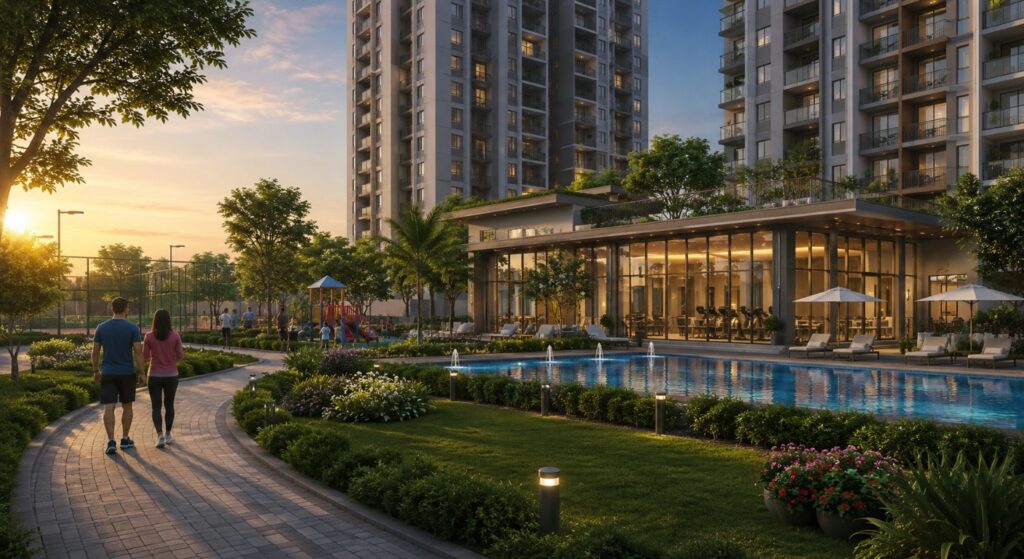
mirania Sustainable Homes in Kolkata: Smart Homebuyer’s Guide 2026 Kolkata is one of the most extraordinary cities in India to call home. It is also one of the most climatically demanding — and for the informed homebuyer, that distinction is an opportunity. The city receives over 1,600 mm of rain annually and is among the rainiest metros in the country. Its summers regularly hit 38°C. With a humidity that makes every degree bite harder. Its eastern wetlands — a Ramsar-designated ecosystem — are one of the most sophisticated natural water management systems anywhere in the world, quietly doing for the city what billions of rupees of infrastructure might otherwise struggle to replicate. This is a city shaped by water, heat, and an extraordinary sense of place. And the homes built here, when designed with genuine intelligence, can draw from all three — turning Kolkata’s climate not into a challenge to be endured, but into an asset to be designed around. The good news, and the point of this blog, is that the sustainable features that protect a home buyer from rising energy costs, ensure reliable water and create truly comfortable living spaces are already available in the best residential projects being built in Kolkata today. All you need to know is What to look for. And why each feature matters more here than nearly anywhere else in India. Passive Cooling: The Design Decision That Saves You ₹7,000 Every Summer Kolkata’s pre-monsoon months — April, May, and June — are the months that separate a thoughtfully designed home from an average one. With summer temperatures averaging 38°C and humidity that compounds the heat, air conditioning is not optional for most households. The question is how efficiently the building supports it. At West Bengal’s current electricity tariff of ₹7.8 per unit, a single 1.5-ton inverter AC running 11 hours a day through the peak summer months costs approximately ₹2,703 per month. A 3BHK household with two or three units running simultaneously will see summer electricity bills that climb well above ₹7,000 to ₹9,000 in peak months. These are significant, recurring costs — and they are directly influenced by how the building around that apartment is designed. A home in a well-oriented building — one where the architecture accounts for solar heat gain, where balconies are deep enough to shade the interior glass, where external walls are specified for thermal performance, and where the floor plan allows natural cross-ventilation — can reduce the hours the air conditioning needs to run each day by 15 to 30%. Research on residential AC consumption in India’s tropical wet-and-dry climates consistently shows that building-level design decisions carry this level of impact on household energy use. That saving, compounded over twenty years of ownership, represents a significant financial return on the premium paid for a well-designed home. But more immediately, it represents comfort. A home that stays cooler naturally — where the evenings are pleasant enough to open the windows, where the bedrooms hold their temperature through the night — is a qualitatively different experience of living in this city. When evaluating a project, the questions worth asking are straightforward. Which direction does the building face? How have the balconies been proportioned relative to the window glass? Have the external walls been specified for thermal mass? These are architectural decisions made before a single brick is laid, and a developer who has thought about them will be able to explain them clearly. Rainwater Harvesting: Turning Kolkata’s Greatest Asset Into Your Building’s Advantage Kolkata’s rainfall is extraordinary. Over 1,600 mm a year, arriving predominantly between June and September — enough, if captured intelligently, to significantly supplement a residential building’s water requirements through the drier months of the year. A well-designed rainwater harvesting system does two things simultaneously. It collects rainfall from the building’s rooftop, filters it, and stores it for non-potable use — landscape irrigation, common area cleaning, toilet flushing in shared spaces. And it channels a portion of that water back into the ground, directly recharging the aquifer beneath the building’s footprint. This second function — groundwater recharge — is particularly meaningful in the Kolkata context. West Bengal has seen a 24% rise in domestic and industrial groundwater use over two decades. In high-density residential zones, buildings that actively return water to the ground are contributing to the long-term health of the water table that everyone in the neighbourhood depends on. A building that harvests Kolkata’s abundant rainfall and gives it back to the earth is one that takes its place in the city seriously. For the homebuyer, the practical benefit is reliable water supply across the year — including the February-to-May window when municipal pressure across many Kolkata localities tends to ease. A building with a well-maintained harvesting and storage system is one that its residents rarely need to think about. The water is simply there — clean, consistent, and accounted for. The most important question to ask a developer about rainwater harvesting is whether the system is designed for groundwater recharge or only for surface storage. Both are valuable, but a system connected to the aquifer below does something that a tank cannot: it improves the building’s relationship with the water resources of its neighbourhood over time, rather than simply drawing on them. STP and WTP: The Two Systems That Define a Building’s Long-Term Quality of Life A Sewage Treatment Plant and a Water Treatment Plant are the two most quietly consequential features in any premium residential project — and the two most likely to be skimmed over in a showroom conversation. An on-site STP processes the waste water generated by the building within its own premises. The treated output — called grey water — is recycled for landscape irrigation, common area flushing, and surface maintenance. In a building of 80 to 100 apartments, this recycling meaningfully reduces the building’s total water demand, which translates directly into lower maintenance charges that residents pay each month. Over ten years of ownership, the cumulative saving is real